The Product Manager's Tightrope: Balancing Idealistic Arguments and Workable Theories
In the dynamic realm of Product Management, we constantly operate at the confluence of vision and execution. We are tasked with charting a course towards a future state – often ambitious, disruptive, and transformative – while…
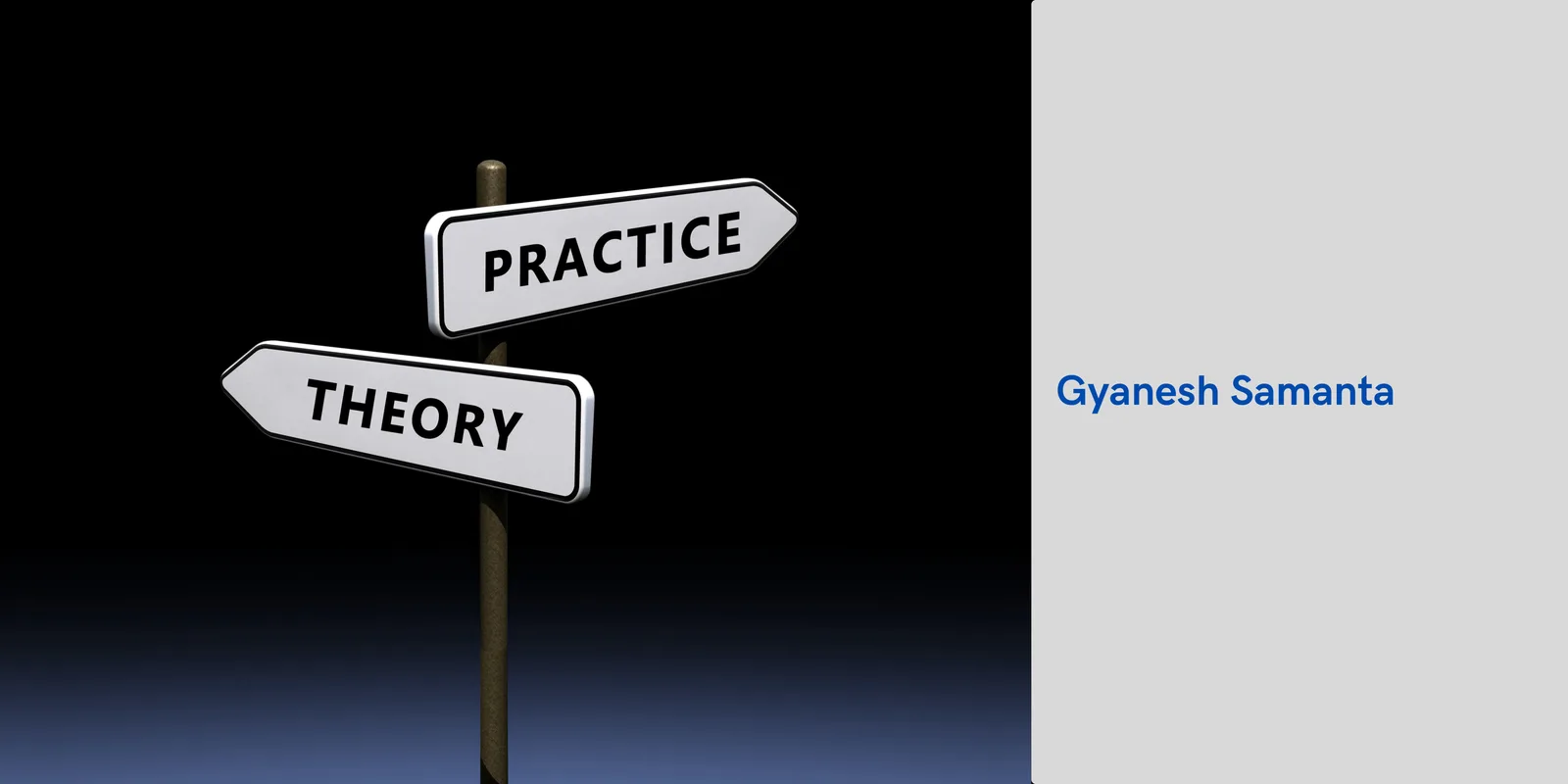
In the dynamic realm of Product Management, we constantly operate at the confluence of vision and execution. We are tasked with charting a course towards a future state – often ambitious, disruptive, and transformative – while simultaneously navigating the complex realities of the present: technical constraints, market readiness, resource limitations, and stakeholder expectations. This inherent tension can be framed as a delicate balancing act between the Idealistic Argument and the Workable Theory.
This isn't just about features on a roadmap; it's about the fundamental 'why' and 'how' of product development. It requires a deep understanding of not just where we want to go, but why we are starting from here, and what is practically achievable now. This edition delves into this crucial dynamic, exploring its philosophical underpinnings through the lenses of aetiology and teleology, examining real-world product examples, and offering strategies for navigating this perpetual balancing act effectively, particularly within the complex ecosystems often found in enterprise environments like ours at IBM and across the industry.
Defining the Poles: Idealistic Argument vs. Workable Theory
The Idealistic Argument: This represents the product's ultimate potential, the 'North Star' vision. It’s the articulation of the perfect solution, unburdened by immediate constraints. It answers questions like:
The Workable Theory: This embodies the practical, executable steps needed to make progress today. It's grounded in the current reality and focuses on delivering tangible value incrementally. It answers questions like:
Philosophical Anchors: Aetiology and Teleology in Product Management
To better understand how we navigate this tension, let's borrow from philosophy:
Aetiology (The Study of Causation): In product management, aetiology prompts us to deeply understand the origins and causes of the problems we aim to solve or the current state we wish to change.
Teleology (The Study of Purpose or End Goals): Teleology focuses on the ultimate purpose or goal towards which something is directed. In product management, this aligns directly with our vision and long-term strategy.
The Product Manager acts as the bridge between the aetiological understanding of the present ('Why are things this way?') and the teleological vision for the future ('What is the ultimate purpose we are striving for?'). The Workable Theory becomes the series of carefully constructed steps, informed by aetiology, that lead us progressively towards the teleological goal.
Industry Examples: Where Idealism Meets Reality
Let's examine how this dynamic plays out in practice across different products and industries:
Case Study 1: The Apple iPhone - Iterating Towards an Ideal
Idealistic Argument (Teleology): Steve Jobs envisioned a device that seamlessly combined a mobile phone, an internet communicator, and a widescreen iPod. The ultimate goal was to create a truly personal, intuitive computer that fit in your pocket, redefining mobile interaction with a multi-touch interface. This was a radical departure from the button-heavy smartphones of the era.
Workable Theory (Aetiology & Iteration): The first iPhone (2007) was revolutionary, but also deliberately constrained. It lacked basic features like 3G connectivity, copy-paste, MMS, and third-party apps. Why? Aetiology: Understanding the limitations of battery technology, cellular network speeds (AT&T's EDGE network was the initial US partner), processor power, and the complexity of building a stable mobile OS from scratch informed what was feasible at launch. They focused on nailing the core interaction paradigm (multi-touch) and the key value propositions (phone, iPod, internet). Iteration: Each subsequent iPhone release represented a new 'Workable Theory', progressively adding capabilities (App Store, 3G/LTE/5G, better cameras, GPS, faster processors) that moved closer to the ever-evolving Idealistic Argument of the ultimate personal computing device. They didn’t wait for perfection; they shipped a compelling (though incomplete) V1 and iterated relentlessly, informed by user feedback and technological advancements.
Case Study 2: Netflix - Evolving the Workable Theory to Realize the Vision
Idealistic Argument (Teleology): From early on, Reed Hastings likely envisioned a future where entertainment was delivered instantly, on-demand, over the internet. The ultimate purpose was convenient, personalized access to a vast library of content.
Workable Theory (Aetiology & Iteration):
Case Study 3: Enterprise Software Modernization (e.g., Cloud Migration, AI Integration)
Idealistic Argument (Teleology): For many large enterprises (common in the IBM client space), the vision involves a fully modernized, cloud-native application portfolio, leveraging AI for intelligent automation and insights, operating with agility, scalability, and seamless data integration across the business. The purpose is increased efficiency, innovation velocity, better customer experiences, and data-driven decision-making.
Workable Theory (Aetiology & Iteration): The reality is far more complex.
Case Study 4: Google Glass - When Idealism Outpaces Workability (and Acceptance)
Idealistic Argument (Teleology): Google Glass aimed to overlay digital information onto the physical world seamlessly, providing hands-free access to notifications, navigation, and communication. The vision was a future of ubiquitous, ambient computing.
Workable Theory (Aetiology & Iteration - Where it struggled): While technologically impressive for its time, the initial consumer version of Glass arguably stumbled because the Workable Theory didn't sufficiently account for key factors:
Navigating the Tightrope: Strategies for Product Managers
So, how do we, as Product Managers, effectively manage this tension between the ideal and the practical?
Anchor in Purpose (Teleology): Maintain a clear, well-articulated, and shared product vision and strategy. Constantly reiterate the 'why' behind the product and its long-term goals. This ensures that even small, incremental steps are directionally aligned. IBM Tooling Example: Leverage tools like Aha! or Jira Align to document and communicate the strategic vision and link it to epics and features.
Deeply Understand the 'Why Now' (Aetiology): Invest heavily in continuous discovery. Conduct thorough user research, market analysis, and technical assessments to understand the root causes of problems and the constraints of the current environment. Why are we tackling this problem now? What are the underlying system dynamics? IBM Practice Example: Employ Design Thinking methodologies rigorously – Empathize, Define, Ideate, Prototype, Test – to ensure problem understanding precedes solutioning.
Embrace Iteration and MVPs: Accept that the first version won't be perfect. Define the smallest possible thing (MVP/MMF) that delivers core value and allows for learning. Prioritize ruthlessly based on validated learning, user feedback, and strategic importance towards the vision.
Build Feedback Loops: Implement mechanisms to gather quantitative data (product analytics, A/B tests) and qualitative feedback (user interviews, usability testing, customer advisory boards) constantly. Use this feedback to refine both the Workable Theory (what to build next) and potentially even adjust the Idealistic Argument over time.
Technical Partnership: Foster a strong collaboration with engineering teams. Understand technical feasibility, architectural implications, and potential debt early and often. Their insights are critical in shaping a realistic Workable Theory. Jointly explore enabling technologies that might make more of the Idealistic Argument feasible sooner.
Transparent Communication & Expectation Management: Clearly communicate the long-term vision (Idealism) and the short-term plan (Workable Theory) to stakeholders, the team, and potentially customers. Explain the rationale behind prioritization decisions and the iterative approach. Manage expectations about what can be delivered when.
Strategic Trade-offs: Be comfortable making, documenting, and communicating difficult trade-offs. Sometimes you'll sacrifice short-term perfection for speed-to-market and learning. Other times, you'll invest in foundational work (addressing technical debt, building platforms) that delays features but enables faster progress towards the long-term vision later. Use prioritization frameworks (e.g., RICE, MoSCoW, Value vs. Effort) to aid decision-making.
Adaptability: Recognize that both the Idealistic Argument and the Workable Theory can, and should, evolve. Market shifts, new technologies, competitive moves, and user insights will necessitate adjustments to both the long-term vision and the immediate plan.
Conclusion: The Architect and the Builder
The Product Manager operates as both the architect envisioning the magnificent cathedral (Idealistic Argument, Teleology) and the master builder laying the foundation and carefully placing each stone (Workable Theory, Aetiology). Neglecting the grand design leads to a haphazard structure; ignoring the practicalities of construction means the cathedral never gets built.
Mastering the balance between idealistic vision and workable execution is arguably the core competency of effective product leadership. It requires strategic foresight, deep analytical rigor, technical fluency, empathetic user understanding, and exceptional communication skills. By consciously applying the principles of aetiology (understanding the 'why from') and teleology (clarifying the 'why towards'), we can navigate this inherent tension more effectively, building products that are not only feasible and valuable today but also strategically positioned to win the future.