My Steps from B2C to B2B Product Management
Or how I stopped worrying and learned to love supply chain architecture, RFP hell, and stakeholder roulette. I arrived in Bangalore not as a tourist. Not for ETHIndia this time. No hotel check-ins, no hackathon medals, no short sprints…
Or how I stopped worrying and learned to love supply chain architecture, RFP hell, and stakeholder roulette.
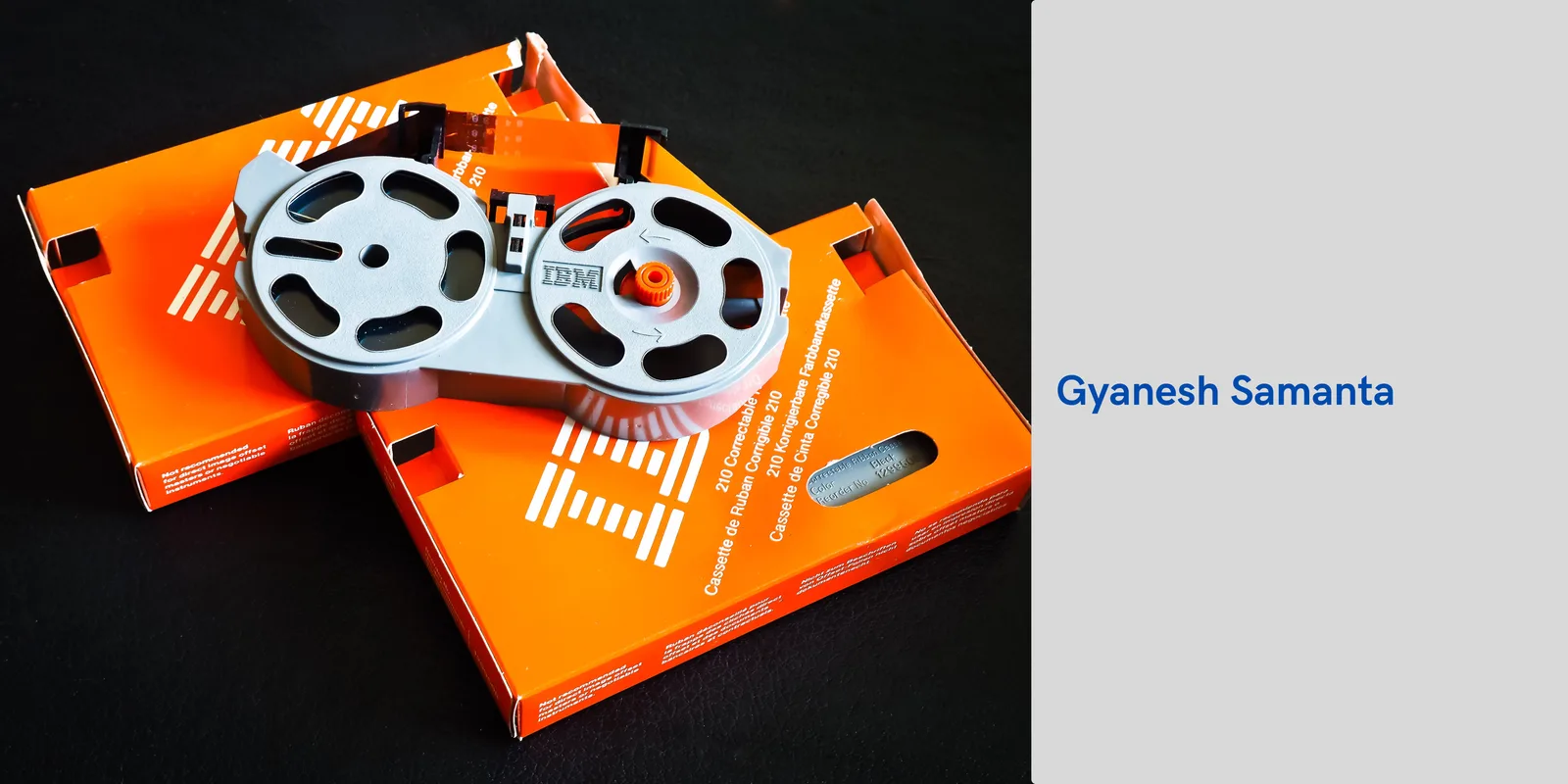
I arrived in Bangalore not as a tourist. Not for ETHIndia this time. No hotel check-ins, no hackathon medals, no short sprints of chaos. This time, I was clocking in for two months of full-time product management internship at IBM. The stakes? High. The coffee? Office-grade. The imposter syndrome? Immediate.
I thought it would be chill. Learn a little. Deliver a deck or two. Maybe end it all with a nice “this intern contributed to…” bullet in some manager’s performance slide.
Spoiler: that is not how it went.
🎬 Scene 1: The Intern, the Endless Aisle, and the First Panic Presentation
Week one was a weird mix of thrill and anxiety. I’d been to Bangalore before—but this was the first time I was living it. New routines. New roommates. New faces from IIM Trichy, SCMHRD, VGSOM. And in between all that, I was thrown into the icy waters of Sterling OMS—IBM’s order management software.
Now, I had worked in B2C product before. Snapdeal. VIP subscriptions. Cart flows. A/B tests. Fun stuff.
Sterling, though? Sterling said, “Here, learn how a store figures out if it can let you pick up a shoe from Location A, return it to Warehouse B, and still ship its sibling to Location C by tomorrow morning.” All while obeying service levels, safety stocks, and backend integrations that look like someone dropped spaghetti on a Visio diagram.
Day 4. I had to present on this. To Adamya Singh . To Raju K . Two people with more experience in OMS than I had in adult life. I had to act like I knew what I was doing. I didn’t.
Things I Googled That Week:
“Difference between ATP and ITP OMS IBM”
“What is BOPIS and why is it everywhere now”
“How to not panic in front of product leadership”
“Sterling OMS for dummies (no really, is there one?)”
Somehow, I didn’t crash. Or maybe I did and they were too kind to say it. Either way, I was now officially in the game.
⚔️ Scene 2: Volunteering into the Fire
Second week, I got a little bold.
Adamya was busy prepping Qvidian. I was floating around, curious, clicking through Slack threads like an intern with too much access.That’s when I saw Sudhir Balebail working on Sterling Intelligent Promising (SIP) integration with the broader partner ecosystem deck for a client.
Me, having no context: “I can help.”
That Slack message? Changed my internship. The deck went to Venita Glasfurd , who forwarded it internally, and suddenly I wasn’t just an intern. I was a real contributor.
Everyone looped me into meetings. Shared docs. Asked me questions. And—here’s the weird part—actually listened to what I said.
While I was still on that project, Venita asked if I had feedback on the internal training courses. I gave her some. She asked if I wanted to revamp them.
Did I have time? Absolutely not. Did I say yes anyway? Obviously.
Now I had:
A client project running live
A learning material overhaul as an enablement project
And still no progress on Qvidian, the reason I was hired
This is the part of the story where most people would’ve asked for help. I just... doubled down.
🌀 Scene 3: Decks, Deadlines & the 5AM Spiral
The SIP (Sterling Intelligent Promising) with partner systems deck was due. Tight turnaround. Mid-week deadline. I pulled an all-nighter, pumped on vending machine coffee and secondhand Slack adrenaline.
5 AM: Sent the draft to the team. Felt decent. Closed my laptop.
5:10 AM: Got feedback. "We’re not using this. Doesn’t position us well."
Cue: existential crisis.
Did I sleep? No. I called Mayureshwar Chitaranjan instead. We walked through the gaps. Rewrote the narrative and adjusted positioning to align with our messaging strategy—because B2B isn’t about catchy headlines or dopamine loops; it’s about clarity, alignment, and making 10 stakeholders nod at once. Shipped the second version at 7 AM. That one stuck.
I went to bed completely wrecked—but weirdly proud. Not because I nailed it. Because I didn’t give up.
Life lesson delivered via Slack at sunrise:
If you're going to crash and burn, at least do it with version history turned on.
🧠 Scene 4: Qvidian and the 1500-Question Brain Melt
Back to Qvidian.
IBM’s platform for RFP responses was due for its periodic review. My mission: audit 1,500+ questions, check which ones still made sense, and flag the rest for rewrite. Sounds mechanical? It wasn’t.
You can’t verify an RFP answer unless you actually understand the product it's talking about. And I was suddenly knee-deep in microservices I hadn’t heard of a week ago.
I learned to differentiate between answers that “looked right” vs. “were strategically correct.”
I became a Subject Matter Tourist. 5 minutes in Sterling Call Center. 15 minutes in Distributed OMS.
And yes, I worked weekends. Voluntarily. Because I didn’t want to send bad answers back into the world.
RFP Answers I Wanted to Delete On Sight:
“Depends on implementation.”
“Typically supported.”
“This can be configured.” → Pick a side, man.
🎬 Scene 5: Product Manager, Now With Editing Powers
Last three weeks?
Absolute blur.
Technical Enablement release videos: I became an iMovie intern overnight. Wrote the scripts, synthesized voiceovers with Watson TTS, figured out the actual export settings IBM uses. Two videos. One day. Shipped.
Competitor Battlecards: I was told to just “update the content.” I ignored that and redesigned the format. Delivered both versions. They picked mine.
Qvidian final upload: Needed very specific Word doc formatting. I wrote Python automation scripts, leaned on Gen AI to clean up edge cases, and knocked out 30 documents in record time.
This is where I stopped being just an intern. I was a mini-product team on my own. No approvals. No status checks.
Just problem → solution → shipped.
Gen AI hot take: It’s not going to steal your job. But it will expose how long you’ve been pretending to know Python.
🌧️ Final Scene: Rain, Reviews, and the Good Kind of Exhaustion
My final review was on a Monday. Of course, it rained. Bangalore has a script.
I hoped people would skip. Eight showed up. On a rainy Monday. Two hours. No skipped slides. No glazed eyes. Questions came in hot—some curious, some surgical, and at least one from Kajal Yadav that made me wonder if she moonlights as an internal auditor.
That’s when it hit me: they weren’t just being polite. They were actually interested. They’d followed the work, connected the dots, and wanted to challenge it—in the best way possible. And for the first time all summer, I wasn’t second-guessing what I’d built. I was owning it.
And I? Was proud of every line I spoke.
📦 What I Shipped (for the résumé readers)
✅ Qvidian relaunch: Audited 1,500+ entries, helped soft-launch with curated content ready to be used for clients.
✅ SIP + Partner Ecosystems complement deck: Used in client pitches (survived Mayureshwar Chitaranjan , Shishir Saha and Subhra Sinha 's critiques).
✅ Learning course refresh: Proposed and implemented structure/content changes for OMS L2/L3 enablement.
✅ Battlecards: Researched recent competitor movement, revamped template, delivered dual versions.
✅ Technical Enablement release videos: End-to-end production including scriptwriting, voiceover, editing, and delivery. (Thanks to Nistha Sinha for refining my pitfalls)
✅ Automation tooling: Python + GenAI hybrid scripts to prep Qvidian content at scale.
🧠 Final Take
B2C taught me velocity. B2B taught me gravity.
In B2C, your enemy is churn. In B2B, your enemy is complexity. And context. And version control. And six different teams with slightly different definitions of “done.”
But it also gave me clarity. This wasn’t just about learning enterprise tools. It was about becoming the kind of PM who doesn’t flinch when the unknown knocks.
IBM gave me that space.
I didn’t just intern. I built. I shipped. I fumbled. I fixed. And I walked out better.